
Want to become a Learning Pods author?
Are you familiar with one of the listed areas and would like to contribute an op-ed article? Please explore our “Areas of Focus” page and fill out the form here.
We would love to work with you to bring your insights & thoughts on any and all areas in science diplomacy to the wider audience.

How One Health Provides a Framework for Understanding Pandemics
Pandemics increasingly emerge from the interactions among human, animal, and environmental health – systems that transportation, climate change, and land-use change can rapidly connect. Recent outbreaks of Ebola, yellow fever, Cyclospora, and malaria illustrate how human activity and environmental change can reshape disease risk. Understanding these outbreaks requires a One Health and systems-analysis approach that can identify how pathogens, hosts, vectors, ecosystems, and societies interact. Addressing this growing pandemic risk will depend on global data sharing, science diplomacy, and coordinated action among scientists, governments, and communities. As climate change and the broader polycrisis produce increasingly nonlinear and unpredictable threats, science can help identify intervention points, policy levers, and opportunities to build resilience across interconnected systems.
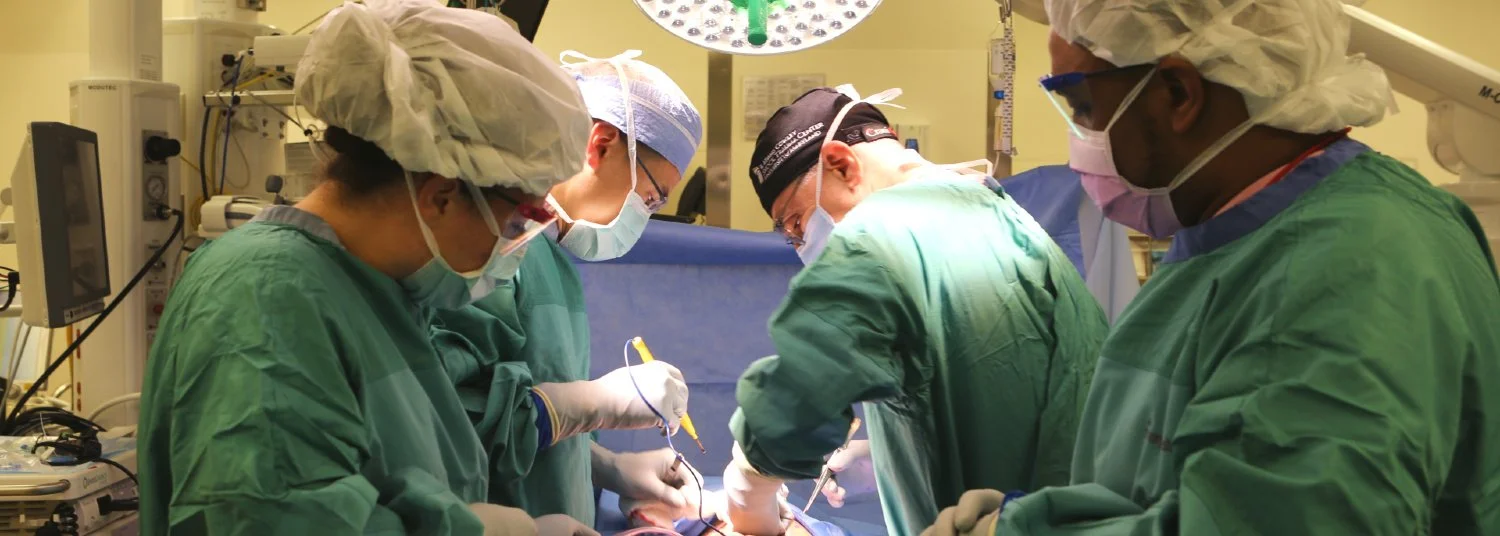
Essential Emergency and Critical Care: Science Diplomacy in Action
At its heart, Essential Emergency and Critical Care (EECC) is about translating scientific knowledge into action that saves lives. It focuses on a set of simple, evidence-based clinical interventions (such as monitoring vital signs, providing oxygen therapy, administering intravenous fluids, and managing the airway) that can be delivered in any hospital in the world. These measures are low cost but life-saving, and form the foundation of care for critically ill patients.