Essential Emergency and Critical Care: Science Diplomacy in Action
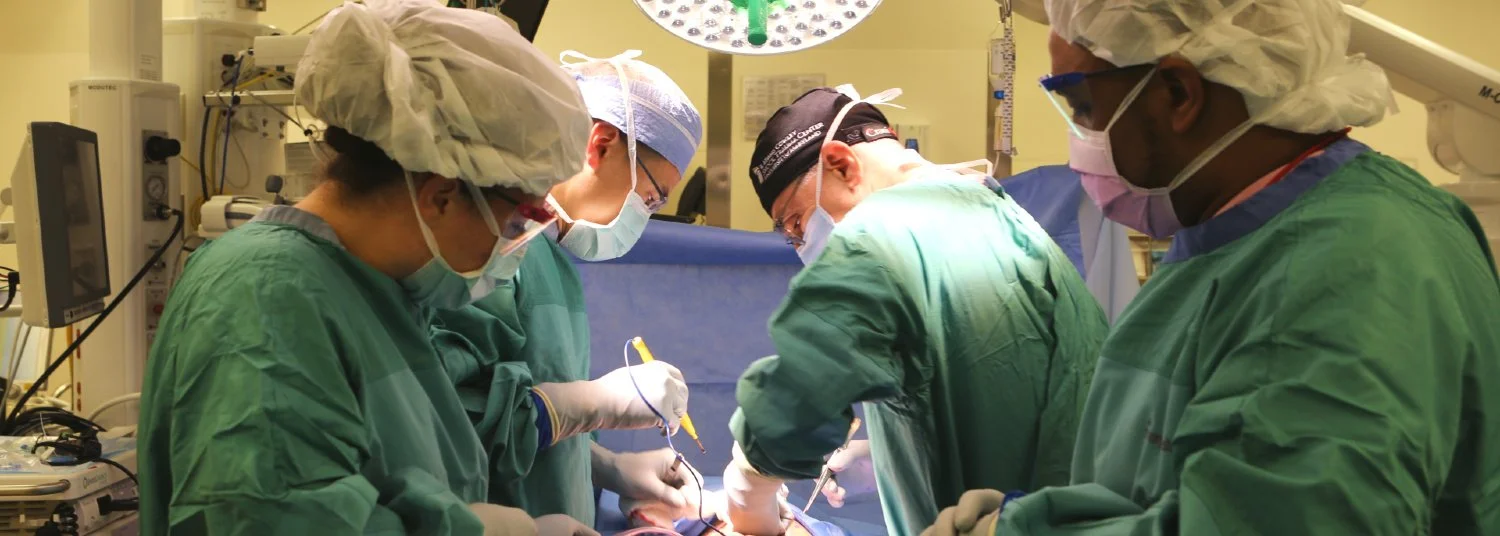
At its heart, Essential Emergency and Critical Care (EECC) is about translating scientific knowledge into action that saves lives. It focuses on a set of simple, evidence-based clinical interventions (such as monitoring vital signs, providing oxygen therapy, administering intravenous fluids, and managing the airway) that can be delivered in any hospital in the world. These measures are low cost but life-saving, and form the foundation of care for critically ill patients.
EECC Global, the international initiative promoting this approach, has always been guided by a form of science diplomacy. From the beginning, EECC has bridged the gap between clinical science and global policy, translating evidence into practical solutions that strengthen health systems and reduce preventable deaths.
Unlike many health initiatives that remain within scientific or academic boundaries, EECC has focused on diplomacy through science, creating dialogue between researchers, clinicians, policymakers, economists, and humanitarian actors. Its advocates have worked to embed EECC within global health frameworks by engaging with organisations such as UNICEF, the World Health Organization, the World Bank, Medicins Sans Frontieres and national ministries of health. This work has been rooted not only in the science of critical illness and critical care but in the shared diplomatic goal of ensuring that no one dies from a cause that simple, feasible care could prevent.
A practical example can be seen in Tanzania, where the government, working with Muhimbili University of Health and Allied Sciences (MUHAS), and UNICEF, and funded by Global Affairs Canada through the CanGive initiative, has launched the Essential Emergency and Critical Care in Tanzania (EECCiT) programme.
EECCiT shows how scientific evidence can shape national policy and foster international collaboration. The programme is introducing EECC across 79 hospitals in five regions of mainland Tanzania and Zanzibar, strengthening local health systems alongside embedded research, implementation science, and cost-effectiveness analyses. It is not just a scientific or clinical project but a coordinated diplomatic effort linking global expertise with national leadership and local ownership.
The results have already been striking. In regions like Katavi, early implementation has led to reductions in maternal deaths and critical illness fatalities. Health system leaders and frontline health workers are empowered to provide the care to their patients. Regional leaders are now scaling up the approach with their own resources, a sign of both sustainability and sovereignty.
Through initiatives like EECCiT, science diplomacy is no longer confined to conference rooms. It is taking shape on hospital wards, where evidence, training, and collaboration converge to save lives. EECC demonstrates that when science and diplomacy work hand in hand, the result is not only stronger relationships between nations but stronger health systems and healthier communities around the world.
Resources:
Learn more at www.eeccglobal.org