The Lindau Spirit: From Diplomacy to Discovery in the Fight Against Emerging Contaminants
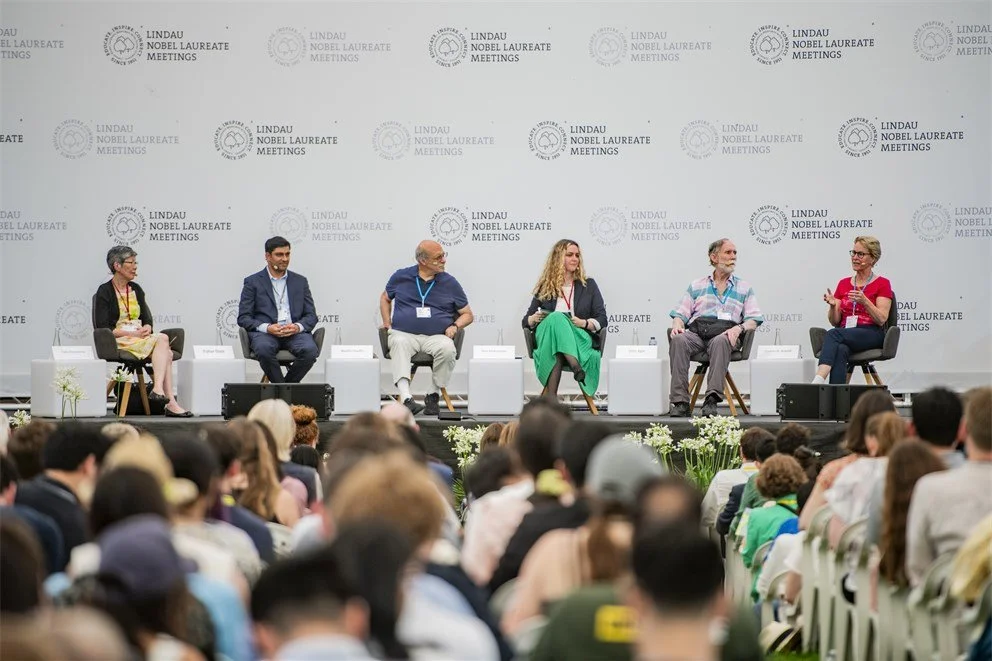
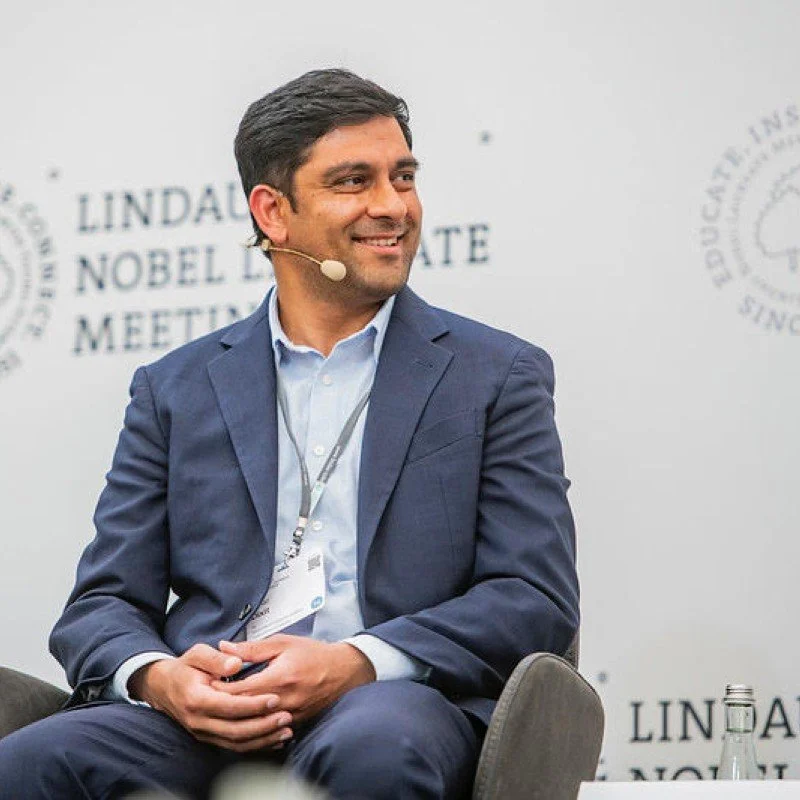
In summer 2025, on the shores of Lake Constance in Germany, the 74th Lindau Nobel Laureate Meeting became more than a celebration of Chemistry; it became the launchpad for a global mission. Transitioning from a postdoc at the University of California, Berkeley, to a professorship at the University of Tennessee, Knoxville (UTK), I went to Lindau seeking inspiration. I returned with a team.
Founded in 1951, the Lindau Nobel Laureate Meetings rotate annually between the three natural science disciplines: Physiology/Medicine, Physics, and Chemistry. For each meeting, approximately 600 young scientists are selected from a global pool of thousands through a competitive multi-stage process. This rigorous scrutiny brings together the most promising minds from over 100 countries to spend a week in Lindau with Nobel Laureates, forging cross-border collaborations that are the core of science diplomacy.
Science diplomacy is often abstract, but at Lindau, it became practical. I connected with Ayman Saber (Spain) and Gabriela Lopez Molina (Colombia), brilliant scientists from two different continents. Despite our geographic distance, we found a unified purpose through rigorous discussions with multiple Nobel Laureates. These interactions refined our ideas, validating a shared vision to address environmental contaminants and their impact on human health. For Ayman, this was a professional turning point. Though he possessed advanced analytical chemistry skills, he applied them in a different domain. We realized his expertise was the missing piece for detecting novel pollutants in complex environments, leading him to join my group at UTK as our first postdoctoral researcher. Importantly, our new interdisciplinary approach unlocked a decade-long dream for Ayman. We successfully formed a collaboration with a senior expert he had long admired but never got to work with. Since September 2025, we have held monthly strategy meetings, and Ayman is now leading a manuscript under the joint guidance of this expert and myself, turning a distant ambition into an active scientific reality.
Simultaneously, the meeting bridged environmental engineering and medicine. Gabriela, a research medical doctor in oncology and metabolomics, found unexpected common ground with my work on contaminants like PFAS (forever chemicals). This connection evolved into a formal partnership. Gabriela now collaborates with me and professors in UTK’s Nursing and Computer Science departments on a project using multimodal data to characterize home environments in dementia care. Merging her clinical expertise with our contaminants focus opens a research path neither could have discovered alone.
While our work has been remote, from January 2026, this vision becomes reality. Launching my UTK laboratory, I aim to establish a pipeline where exceptional talent and interdisciplinary ideas converge. I look forward to supporting scientists such as these fellow Lindau Alumni as we translate our shared vision into impactful research. This initiative stands as a testament to the power of science diplomacy: creating a space where brilliant minds can innovate and spin out discoveries that change the world and improve lives globally.
If you share this vision of science diplomacy driving interdisciplinary innovation and are looking to be part of a team dedicated to solving complex global challenges, I invite you to connect. Please reach out to me at fdixit@utk.edu.
Special thanks to Gabriela Lopez Molina from Universidad del Rosario in Bogotá and Ayman Saber from the University of Córdoba in Spain for their support and inputs that made this article happen!