
Want to become a Learning Pods author?
Are you familiar with one of the listed areas and would like to contribute an op-ed article? Please explore our “Areas of Focus” page and fill out the form here.
We would love to work with you to bring your insights & thoughts on any and all areas in science diplomacy to the wider audience.
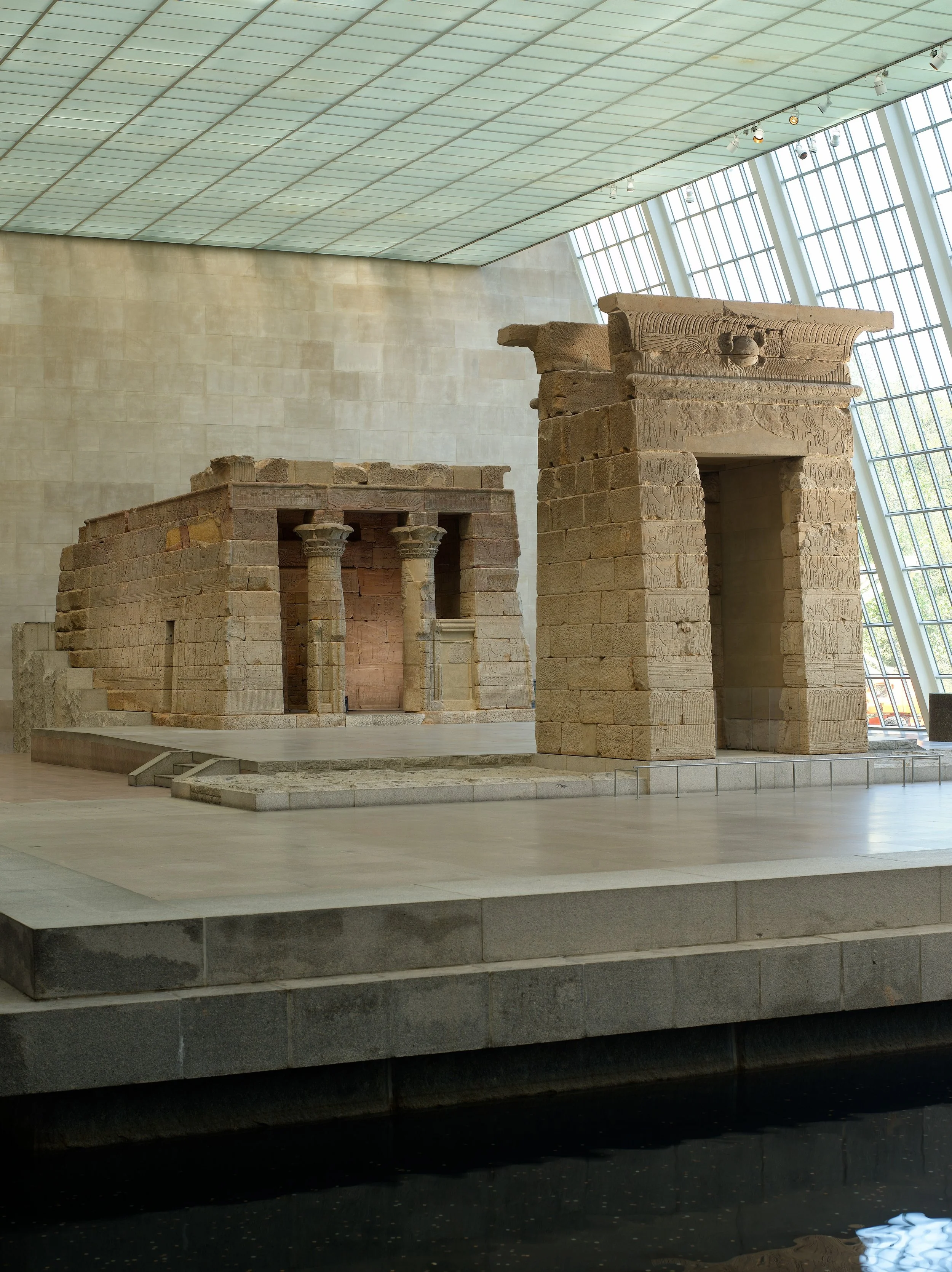
An Archaeological Ambassador at the Metropolitan Museum of Art: Archaeology, Diplomacy, and the UNESCO Campaign to Save the Monuments of Nubia
An international coalition mobilized under UNESCO when the High Dam threatened to submerge Nubia’s ancient temples, launching a twenty‑year campaign that fused engineering, archaeology, and diplomacy on an unprecedented scale. Their work—relocating monuments like Abu Simbel and Philae and preserving artworks from sites across Egypt and Sudan—created a new model of cross‑border scientific cooperation. The Temple of Dendur, gifted to the United States for its major contributions, now stands in the Metropolitan Museum of Art as a reminder that safeguarding the past depends on collective action and global stewardship.

Scientific Mobility, Independence, and Science Diplomacy
Scientific mobility offers early‑career researchers a powerful way to gain independence and circulate tacit knowledge across borders, but the hidden workload of adapting to new systems, cultures, and laboratories can slow progress even as it broadens perspective. As researchers carry practices, norms, and experimental insight from one scientific ecosystem to another, their movement becomes a quiet engine of idea exchange and an essential, individual‑level form of science diplomacy.

Building Science Diplomacy in Response to (and in Spite of) Policy
Diplomacy starts small, requiring one-on-one relationships to build up to something greater. Science often works similarly, bringing together minds from around the world to work on endeavors greater than any one of them could achieve alone. The US has taken a huge stake in many of these endeavors, and it has become a hub for science and technology because of it.