An Archaeological Ambassador at the Metropolitan Museum of Art: Archaeology, Diplomacy, and the UNESCO Campaign to Save the Monuments of Nubia
One of New York City’s most famous residents at the Metropolitan Museum of Art is the Temple of Dendur. It has featured in movies, including When Harry Met Sally, and on the first Monday of every May, the temple hosts the MET Gala, where celebrities and fashionistas dine in its shadow. But few people know that the temple’s arrival in the MET was a result of archaeological diplomacy.
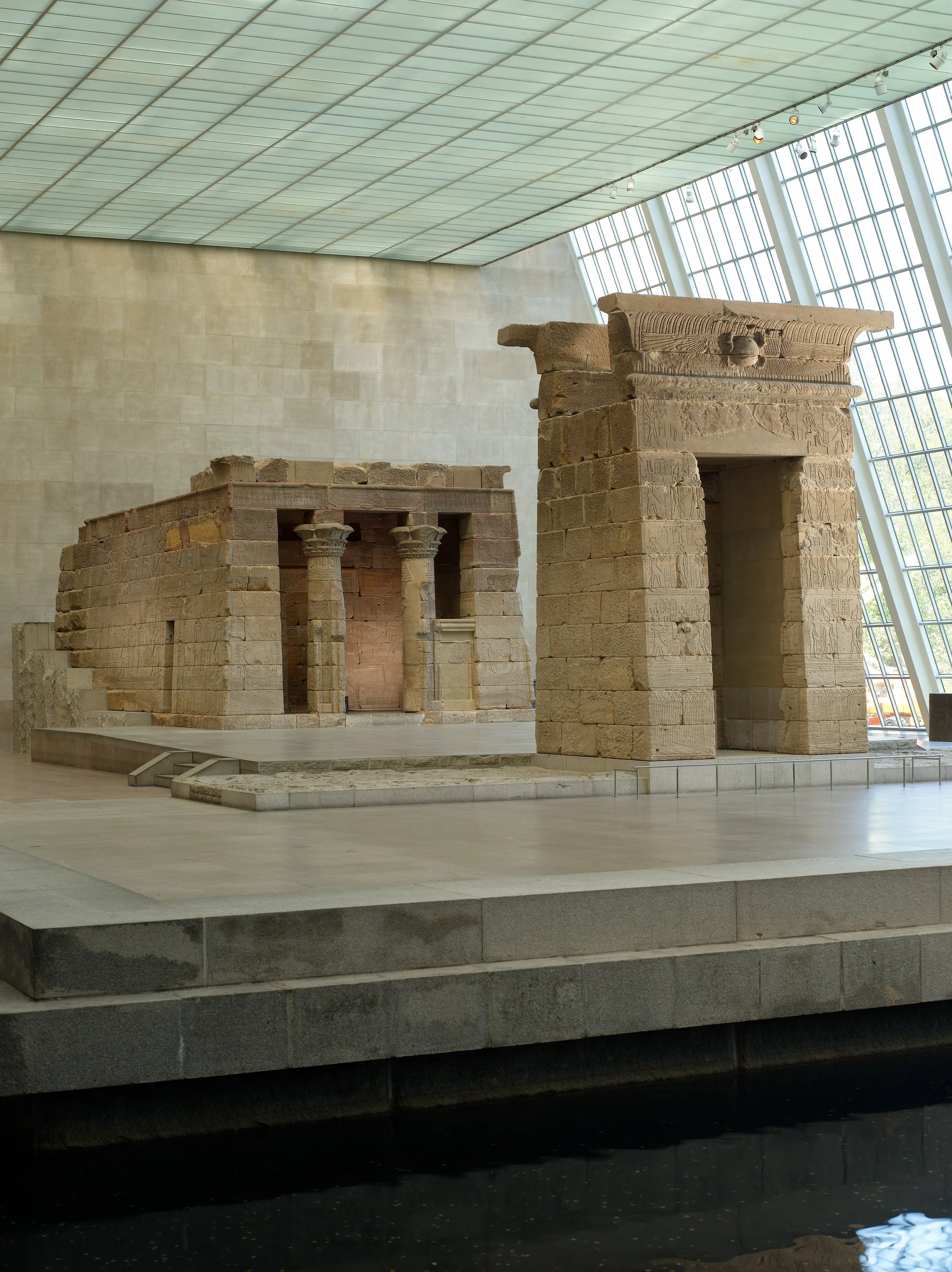
Figure 1. The Temple of Dendur, completed by 10 BCE, Given to the United States by Egypt in 1965 and awarded to The Metropolitan Museum of Art in 1967, MAA no. 68.154 (Metropolitan Museum of Art, Public Domain)
President Gamel Abdel Nasser decided to build a new dam in Upper Egypt in the 1950s; this dam would supply about 50% of Egypt’s electricity when completed in 1970. It formed a 16-km-wide reservoir, Lake Nasser, that stretched approximately 500 km southwards. The dam would flood, and thereby destroy, numerous archaeological sites, including the famous colossal statues and temples of Ramesses II (1303-1213 BCE) at Abu Simbel. Rather than let these structures and others in Upper Egypt and Sudan be destroyed in the name of progress, the international community came together under the auspices of the UNESCO Campaign to Save the Monuments of Nubia. Working for twenty years (1960–1980), forty technical missions from five continents worked with Egyptian and Sudanese archaeologists and laborers to excavate the sites before they were flooded. Engineers, geologists, and archaeologists collaborated on a scale never seen before—or since. Polish conservators worked with Egyptian colleagues to remove medieval paintings of bishops and saints from the walls of the cathedral at Faras (Sudan)—now in Khartoum and Warsaw. Archaeologists, engineers, and laborers worked to excavate and relocate twenty-two monuments and architectural complexes: for example, the important Ptolemaic and Roman monuments were moved from the island of Philae to the island of Agilkia. The colossal statues of Ramesses II were cut into 1042 blocks and reconstructed 65 meters higher. Engineers and archaeologists determined how to cut blocks to move these temples and others, while geologists analyzed the stones of buildings to consolidate them to prevent deterioration. A team of Egyptian and French engineers devised a makeshift railroad to move the sanctuary of temple at Amada (25 x 10 m) because it could not be disassembled without destroying its plaster and decoration.
Fifty nations—from Afghanistan to Togo—provided financial support. Four nations—Spain, Italy, the Netherlands, and the United States—received temples as gifts of thanks for their outstanding technical and/or financial contributions. All of these countries sent archaeologists. Italy contributed funds to move the temple at Ellesiya (now in Turin) and technical assistance. Sounding methods, recently developed by the Italian Lerici Foundation, enabled archaeologists to locate buried structures without excavating; this new technique was applied in Egypt. The United States, which sent archaeologists and was the single largest financial supporter, received the Temple of Dendur, which was then given to the Metropolitan Museum of Art.

Figure 2. Colossal Heads being cut and disassembled. UNESCO Office Cairo and Regional Bureau for Science in the Arab States (International Campaign to Save the Monuments of Nubia, CC BY-SA 3.0)
The UNESCO campaign has been criticized for ignoring the displaced local populations and for allowing objects to leave Egypt and Sudan through partage, a system that allowed excavation teams to legally export a portion of their finds to their home country. Those critiques aside, this collaborative project ensured that the archaeological sites of Nubia were excavated and studied, and when possible, monuments were relocated. Today, the MET temple—and the others in Madrid, Turin, and Leiden—are archaeological ambassadors that educate new publics about the rich and long history of Egypt and remind us that international collaboration is essential to save the past and ensure its future.