
Want to become a Learning Pods author?
Are you familiar with one of the listed areas and would like to contribute an op-ed article? Please explore our “Areas of Focus” page and fill out the form here.
We would love to work with you to bring your insights & thoughts on any and all areas in science diplomacy to the wider audience.
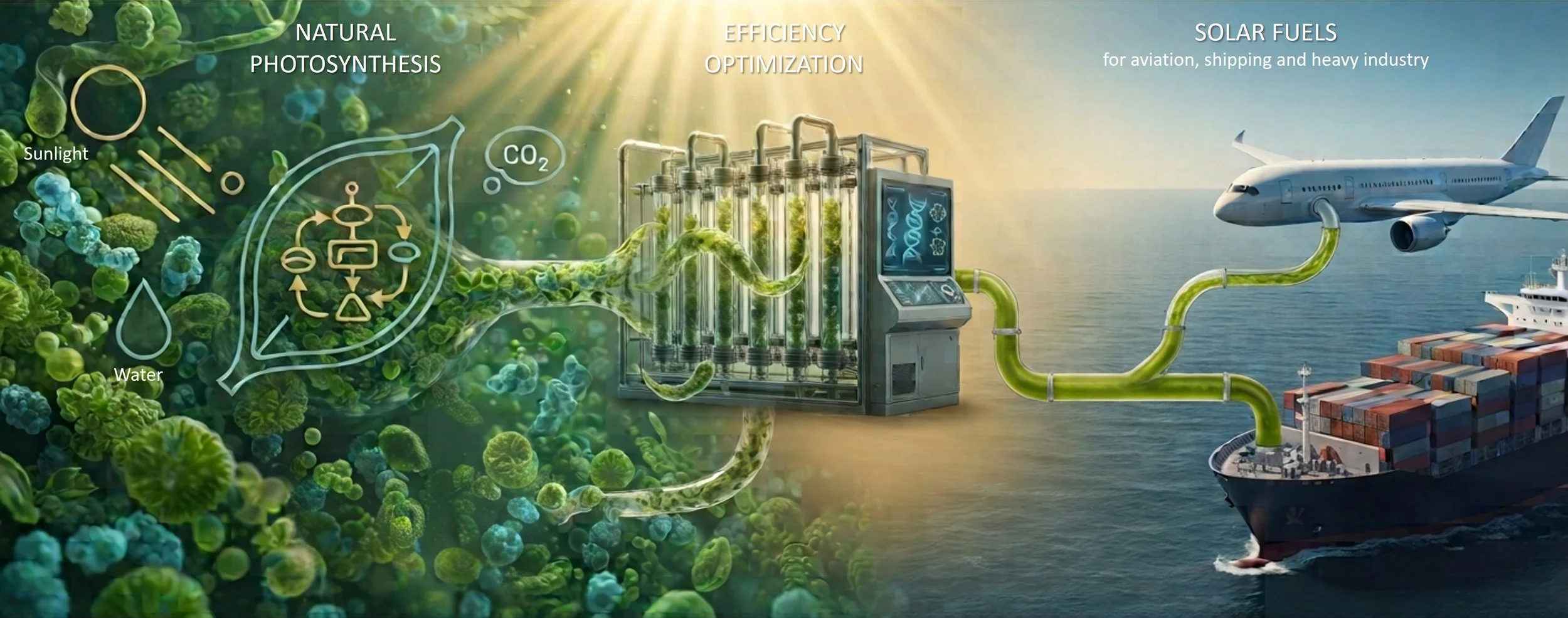
Nature's Secret Recipe: Powering the Future with Solar Fuels
Solar fuels promise a drop-in replacement for aviation, shipping, and industrial fuels – sectors that batteries and energy grids cannot reach. They are produced cleanly by photosynthetic organisms using only sunlight, water, and CO2. Yet the underlying photosynthetic mechanism remains poorly understood, and natural conversion efficiency stays below 1%. Closing that gap requires patient, long-term public funding that outlasts election cycles, paired with public awareness of why early-stage science deserves support years before reaching market. Nature's recipe optimization will depend as much on science diplomacy as on the chemistry itself.

Navigating the Politics of New Food Technologies
Cellular agriculture is emerging as a promising food technology, offering new ways to produce animal-derived foods through fermentation and cell cultivation. Yet, as debates over genetically modified foods have shown, scientific innovation alone does not guarantee public acceptance. As governments, industries, and communities navigate questions of food security, sustainability, and regulation, a critical challenge lies in building trust and incorporating diverse societal values. The future of resilient food systems will depend on whether emerging technologies are developed alongside meaningful public dialogue and inclusive governance.

Virtual Power Plants: Bringing the Energy Transition to the Grid
As electricity systems shift toward millions of distributed energy resources, virtual power plants are emerging as a new way to coordinate the energy transition. By using software to operate rooftop solar, batteries, electric vehicles, and flexible demand “as a single, dispatchable resource,” they offer a path to more reliable, affordable, and resilient grids. Their expansion depends on regulatory reform, market access, and performance‑based incentives, with countries from the United States to Germany and Australia offering early models. Because “structured knowledge sharing across regions can accelerate VPP deployment globally,” their rise underscores how decarbonization now hinges on international cooperation and the ability to align technical standards and policy innovation across borders.
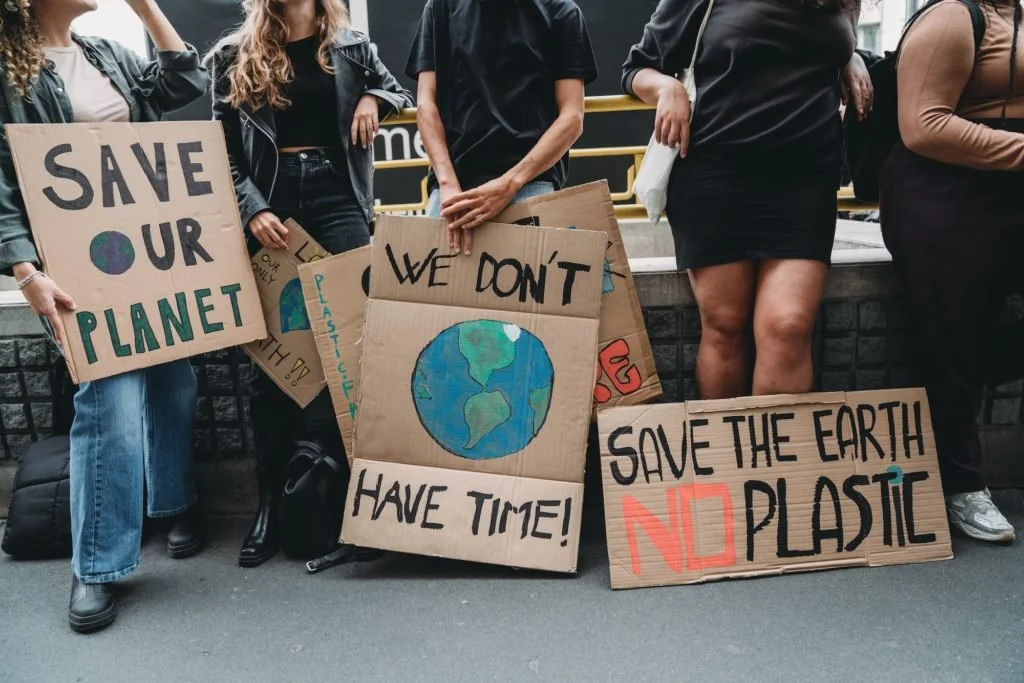
Climate Change Psychology & the Impact of Cultural Norms
Climate change does not pick and choose who it affects. It affects us all. Currently, there is a variety of innovative technological solutions to alleviate anthropogenic climate change, from renewable energy to sustainable farming, but that alone will not be enough. It is people who are the ultimate forces in global change.

Addressing Hidden Hunger Through Biofortification
Hidden hunger, a micronutrient deficiency, is a global health crisis affecting more than 3 billion people, primarily in Africa, Asia, and Latin America. Biofortification provides a sustainable and cost-effective solution by enhancing the nutrient content of staple crops during growth, rather than adding nutrients after harvest. As climate change reshapes global agriculture and fertile land becomes scarcer, the need for resilient, nutrient-rich crops grows increasingly urgent.